

Unlock Global Connectivity With The Best eSIM Data Plan For Travel
An eSIM data plan is your ticket to instant global connectivity without fumbling with tiny plastic SIM cards. Instead of inserting a physical chip, you simply download a digital profile onto your phone, letting you activate data in minutes. It works by storing your carrier info on a built-in chip, so you can switch between plans or countries with a few taps. The real win is skipping airport kiosks and roaming fees, giving you seamless internet from the moment you land.
Understanding Embedded SIM Technology
Understanding embedded SIM technology is key to unlocking the flexibility of an esim data plan. Unlike a physical SIM, the eSIM is a soldered chip you activate remotely, eliminating the need to swap cards when changing carriers or traveling. This allows you to instantly download a new esim data plan from a provider’s app, often with just a QR code. Your device’s settings become the central hub for managing all your connected plans, allowing you to switch between a local and a roaming profile without visiting a store or waiting for delivery.
What Sets Digital SIMs Apart from Physical Cards
Digital SIMs, or eSIMs, eliminate the need for a physical card, allowing you to activate an eSIM data plan instantly by scanning a QR code or tapping a carrier app. This removes the logistical hurdle of waiting for a physical card to arrive or visiting a store. Unlike a physical SIM, a digital SIM can store multiple profiles for different data plans and countries, enabling you to switch between them without swapping removable physical SIM cards. Your device remains sealed, reducing the risk of port damage or losing the tiny card, and you can often add a local data plan while keeping your primary number active.
Digital SIMs differ from physical cards by enabling instant, remote activation for a data plan, supporting multiple profiles without physical swapping, and eliminating the need for a removable card entirely.
How Remote Provisioning Changes Connectivity
Remote provisioning completely reshapes how you connect by removing the physical SIM card. Instead of swapping tiny plastic chips to change carriers, you simply download a new profile over the air. This means instant carrier switching for better local data plans abroad, all from your device settings. Gone are the days of hunting for a store or waiting for delivery. Your connectivity becomes fluid and on-demand, letting you activate a travel esim data plan moments before landing. It turns a static, hardware-bound connection into a flexible, software-defined one you control directly.
Choosing the Right Mobile Data Package
Choosing the right mobile data package with an eSIM demands matching data volume to your digital habits. If you stream video daily, a high-GB plan is non-negotiable; for occasional map checks, a lean one suffices. The killer feature is instant plan switching without swapping physical cards. Q: How do I avoid overpaying for an eSIM data plan? A: Audit your monthly usage via your phone’s settings, then buy a tier that covers 80% of your needs—top up the rest flexibly. Prioritize plans with zero-expiry data for ultimate control, avoiding rigid monthly commitments that waste unused gigabytes.

Key Factors in Evaluating Coverage and Speed
When evaluating coverage and speed for an eSIM data plan, first verify the operator’s native network agreements, as roaming often reduces performance. Check for specific 4G/5G band support compatible with your device to ensure optimal data plan reliability. Review independent coverage maps focused on your destination’s urban and rural zones, not just major cities. Speed is influenced by congestion; look for plans with “unlimited data at reduced speeds” thresholds. Q: How do I test real-world speed before committing? A: Many eSIM providers offer a free data trial or short-term pass—use a speed test at peak hours in your target location.
Comparing Prepaid vs. Postpaid Digital Options
When weighing prepaid versus postpaid eSIM options, your travel frequency dictates the best choice. Prepaid plans excel for short trips, offering zero commitment and instant activation. Postpaid plans, conversely, suit frequent travelers needing consistent data across months. For prepaid, the sequence is: purchase, install eSIM, activate upon arrival. Postpaid involves: sign a subscription, link payment, and enjoy auto-renewal. Choosing between prepaid and postpaid eSIMs hinges on whether you prioritize flexibility or billing convenience. The real nuance is that prepaid prevents surprise bills, while postpaid often unlocks faster network speeds.
- Assess your trip length and frequency.
- Select prepaid for one-off travel, postpaid for recurring use.
- Compare data caps and throttling policies before committing.
Global Roaming Without the Hassle
Global roaming without the hassle means your eSIM data plan activates automatically upon arrival, eliminating physical SIM swaps. You purchase a plan online before departure, securing local network access in multiple countries. This removes the search for local SIM kiosks or the risk of bill shock from your home carrier’s roaming rates. Coverage, however, can vary by provider, so verifying your destinations’ network partnerships is a simple step. The plan’s data allowance is consumed at a single, fixed price, and you can top up or switch to another country’s plan directly from your device’s settings. No airplane mode toggling or roaming activation codes are needed—just a quick QR scan or app profile install.
Staying Connected Across Borders Seamlessly
With an eSIM data plan, staying connected across borders seamlessly eliminates the need to swap physical SIMs upon arrival in a new country. You simply activate a local or regional data profile on your device before departure or instantly upon landing, ensuring continuous access to maps, messaging, and ride-hailing apps. This automatic network transition means no hunting for local SIM cards or dealing with complicated carrier settings. For frequent travelers, maintaining a consistent connection across multiple time zones is straightforward, as eSIM software handles profile switching in the background, allowing uninterrupted communication with family and colleagues regardless of location.
Regional Bundles for Frequent Travelers
For frequent travelers, regional eSIM data bundles eliminate the hassle of buying separate plans for each country. Instead of juggling local SIMs, you get one prepaid pool of data covering an entire region—like Europe, Asia, or the Americas. Activation is instant upon arrival, and you use your original phone number for calls while the eSIM handles data. This saves you money compared to per-country roaming rates and removes the risk of surprise charges at borders.
Q: Can I use a regional bundle if I only visit one country on that trip?
A: Yes. Many regional bundles offer better per-GB value than single-country plans, making them cost-effective even for a single destination within that region.
Activating and Managing Your Digital Profile
Activating your eSIM data plan automatically creates a digital profile linked to your device’s IMEI and the network operator. To manage this profile, access your phone’s mobile network settings to view the eSIM label, data usage, and roaming toggles.
Your digital profile is not transferable between devices without a new activation QR code or carrier app rescan.
You can delete the profile to deactivate the plan, but this often requires a repurchase for reactivation. For multi-line use, assign distinct labels to each eSIM profile to avoid billing confusion. Always back up the activation QR code in a secure location, as re-downloading may be impossible post-purchase.
Step-by-Step Guide to Installing a Remote SIM
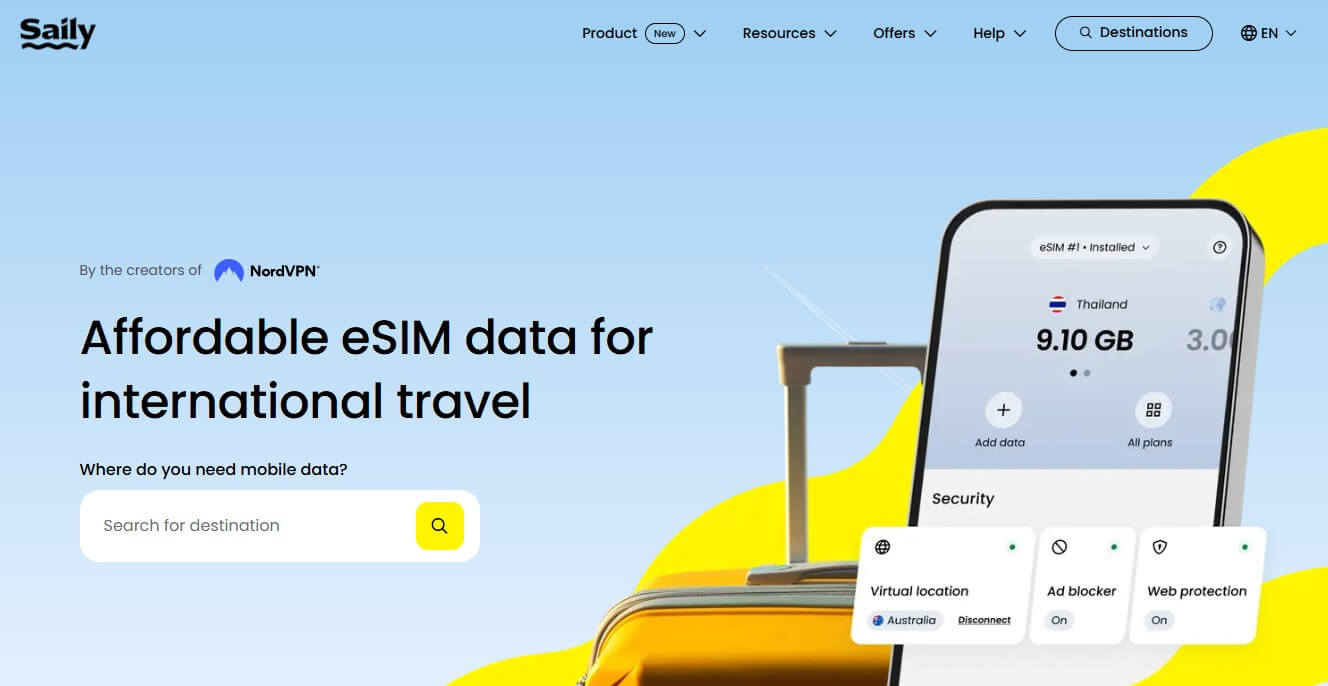
Begin by scanning the QR code provided by your carrier or manually entering the activation details in your device’s cellular settings. This initiates the remote provisioning process. Next, select “Add Cellular Plan” on your smartphone; the eSIM profile will download automatically over a Wi-Fi connection. After installation, label the profile (e.g., “Travel Data”) and set it as your primary data line. Finally, restart your device to activate the connection, ensuring your eSIM data plan functions seamlessly without a physical card swap.
Switching Between Multiple Profiles Efficiently
Switching between multiple eSIM data plan profiles is streamlined via your device’s settings menu, where you can designate a default line for cellular data while keeping other profiles active for standby. For efficient management, assign distinct labels (e.g., “Travel,” “Work”) to each profile, enabling instant swaps without re-downloading the eSIM. One-tap profile toggling lets you temporarily disable a data plan without deleting it, preserving your active configuration for future use. Ensure your device supports dual SIM standby (DSDS) to maintain simultaneous connectivity.
Switching between multiple eSIM profiles efficiently relies on labeling, default line settings, and one-tap toggling to avoid repetitive downloads.
Cost-Effective Strategies for Heavy Users
For heavy users, cost-effective eSIM strategies involve selecting a plan with a generous high-speed data cap rather than unlimited throttled data. Prioritize regional or global long-term plans from eSIM providers that bundle large data pools, as these often undercut the per-gigabyte cost of multiple short-term top-ups. Monitor your usage via the app to avoid automatic refills, and manually pause your plan when traveling through areas with free Wi-Fi to conserve your high-speed allowance. Q: How can a heavy user avoid overpaying for an eSIM? A: Purchase a larger data package upfront from a provider that applies only the used data to your high-speed quota, rather than paying for separate top-ups at a premium rate.
Unlimited Thresholds and Fair Usage Policies
For heavy eSIM users, unlimited data plans almost always enforce a Fair Usage Policy (FUP). This threshold, typically 10–50 GB, dictates full-speed access; once exceeded, speeds are throttled to 256 Kbps–1 Mbps, rendering video streaming and large downloads impractical. To navigate this, first select a plan with a high threshold matching your peak consumption. Second, monitor usage via the provider’s portal to anticipate throttling. Third, schedule bandwidth-intensive tasks before hitting the cap. Paying slightly more for a 100 GB FUP often proves cheaper than buying separate top-up bundles. FUP threshold selection directly controls monthly costs without sacrificing essential connectivity.
Optimizing Data Consumption on the Go
To optimize data consumption on the go with an eSIM data plan, first switch your device to a low-data mode to limit background app activity. Prioritize offline access: download maps, playlists, and streaming content before departing. Use a browser with integrated data compression features. For navigation, pre-load routes to avoid real-time cellular usage. Even a brief manual sync cycle for email and messaging apps can drastically reduce unnecessary background transfers. Follow this sequence:
- Disable automatic app updates and cloud backups over cellular.
- Set video streaming apps to standard definition or audio-only mode.
- Use a Wi-Fi hotspot for large downloads, but keep eSIM active for critical tasks.

Compatibility and Device Readiness
Before purchasing an eSIM data plan, verify your smartphone is carrier-unlocked and supports eSIM compatibility. Check the device’s IMEI in settings or your manufacturer’s official list; most iPhone XR and newer, Google Pixel 3 and newer, and recent Samsung Galaxy S/Z series models are ready. You must have a stable Wi-Fi connection during installation, as the eSIM profile is downloaded remotely via a QR code or app. Ensure your device runs the latest operating system version to avoid activation glitches. If switching phones, deactivate the eSIM on the old device first, as most plans are single-device locked.
Checking Your Smartphone for Integrated SIM Support
Before grabbing an eSIM data plan, you need to check if your phone already has a built-in eSIM—no physical slot required. Head to your device’s settings menu, usually under “About Phone” or “Cellular,” and look for “Add eSIM” or “Digital SIM.” If you see that option, your smartphone is ready. For iPhones (XS and newer) or recent Google Pixel and Samsung Galaxy models, checking for integrated SIM support is quick. No option means your phone likely lacks the hardware. This simple verification saves you from buying a plan you can’t activate.
Carrier Locking and Unlocking Considerations
Before purchasing an eSIM data plan, verify your device is not carrier locked, as this restriction can block the eSIM profile from activating on a different network. Unlocking your phone is a critical step: contact your original carrier to request a permanent unlock, which often requires the device to be paid off and on their network for a set period. A locked phone may only accept eSIMs from that specific provider, rendering third-party data plans useless. Once unlocked, your device can freely download and switch between eSIM profiles, ensuring seamless connectivity without physical SIM swaps.
Security and Privacy in Digital Connectivity
An eSIM data plan enhances security by removing the physical SIM card, which can be stolen or cloned. Your profile is stored in tamper-resistant hardware, making remote extraction significantly harder for attackers. Always use a VPN with your eSIM data on public networks to encrypt traffic and prevent interception at the hotspot level. Verify your eSIM activation only through the provider’s official app or website to avoid phishing traps that install malicious profiles. Remember that roaming data often passes through multiple third-party networks, adding potential relay points where metadata could be exposed. Regularly audit downloaded eSIM profiles and delete any unused ones to reduce your digital footprint and limit tracking across connections.
Encryption Standards for Remote SIM Profiles
Remote SIM profile provisioning relies on end-to-end encryption between the eUICC and the SM-DP+ server, typically using TLS 1.3 with X.509 certificates to authenticate both endpoints. The encrypted payload protects the digital credentials—containing operator keys and authentication algorithms—during download. Once installed, secure element isolation ensures the encrypted profile remains inaccessible to the device’s main OS, with hardware-backed key storage preventing extraction. This architecture guarantees that profile activation commands, network authentication tokens, and subscription data are never exposed in transit or at rest, directly securing your connectivity identity.
Remote Wipe and Lost Device Safeguards
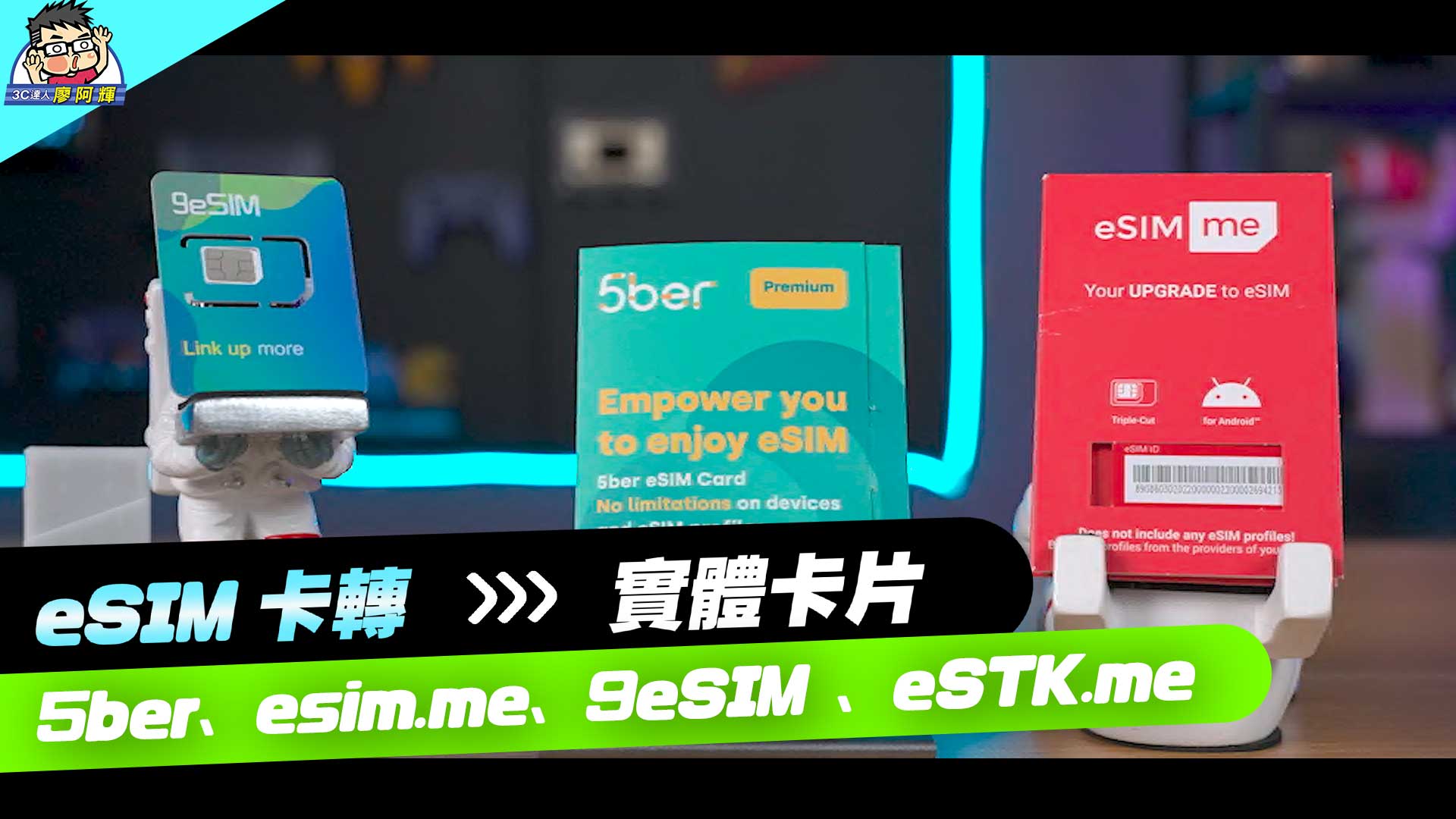
Losing a device with an active eSIM data plan doesn’t mean losing control. Since the eSIM is embedded, you can remotely wipe the profile and data through your carrier’s app or web portal. Here’s the typical sequence:
- Log into your account from any secure device.
- Select the lost device and trigger a remote wipe command.
- The eSIM profile is deactivated, blocking all data access immediately.
You can also lock the device remotely to prevent unauthorized use while you still search for it. This safeguard ensures your personal info and plan balance stay out of wrong hands.
Future Trends in Virtual Network Access
The traveler’s eSIM data plan will soon learn her habits, preloading high-speed bandwidth in Tokyo before she lands, then shifting to a low-latency slice for her video calls home. Virtual network access becomes fluid: her plan’s core adapts in real time, switching providers mid-session to avoid congestion. What happens when she moves from a crowded train to a remote cabin? The eSIM’s network stack instantly caches critical maps offline and throttles background apps, preserving a stable connection for navigation—no manual choices, just seamless adaptation.
Emerging Technologies Enhancing eSIM Utility
Edge computing dramatically enhances eSIM utility by processing data plans locally on your device, slashing latency for real-time applications like video streaming or IoT control. This allows eSIMs to switch between multi-network profiles seamlessly without cloud delays. Additionally, embedded AI algorithms optimize signal strength by predicting congestion and preemptively switching carriers. For a typical travel or remote-work eSIM data plan, these technologies unlock three practical benefits:
- Instant profile activation based on geolocation triggers, not manual scanning.
- Dynamic bandwidth allocation that prioritizes critical apps during network hiccups.
- Predictive top-ups that pre-load credit before your data runs out.
This makes virtual network access faster, smarter, and more reliable.
Sustainability and Reduced Plastic Waste Benefits
The shift to eSIM data plans directly attacks the plastic waste problem by eliminating the physical SIM card, its plastic carrier, and the wasteful packaging they require. Each virtual profile you download saves a tangible piece of non-biodegradable plastic from ending up in a landfill or ocean. This reduction in manufacturing demand also conserves the water and energy typically used to produce and transport those tiny cards. Over your travel lifecycle, adopting eSIMs for sustainable global roaming slashes your personal plastic footprint without sacrificing connectivity. Every download is a practical, daily act of waste reduction.

| Aspect | eSIM (Virtual Access) | Physical SIM (Plastic Waste) |
|---|---|---|
| Physical Material | Zero plastic per profile | Single-use plastic card & UK eSIM carrier |
| Packaging Waste | None (digital delivery only) | Paper/plastic sleeve required |
| Lifecycle Impact | No disposal needed | Non-biodegradable landfill waste |